
What the FDA's proposed registration rule means for foreign manufacturers, and the industry as a whole.
The FDA has proposed a rule that would require foreign tobacco manufacturers to register their facilities and list their products with the agency. The proposed rule is titled "Establishment Registration and Product Listing for Tobacco Products." It would require domestic and foreign establishments that manufacture tobacco products for the U.S. market to register with the FDA and submit detailed product listings.
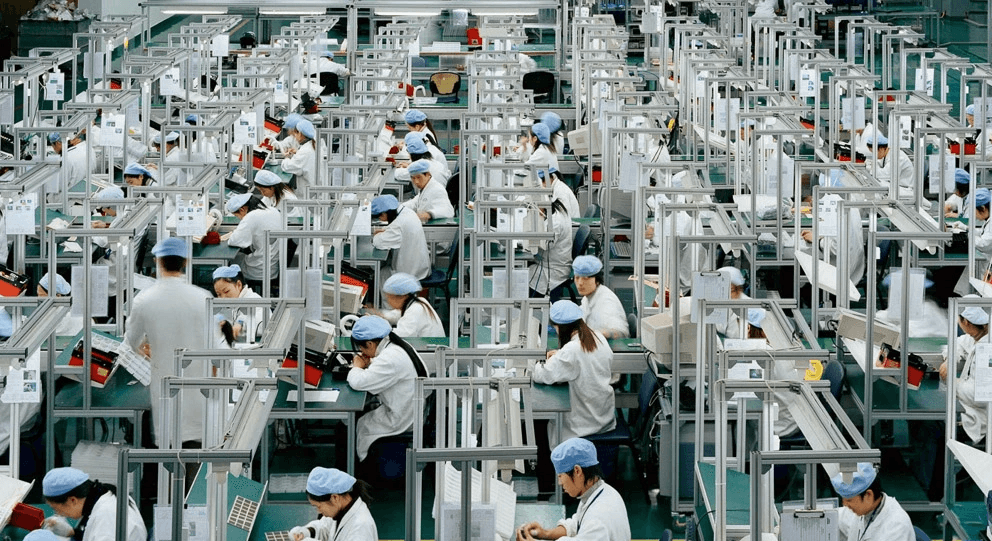
Over the past two years, the FDA has ramped up enforcement against unauthorized disposable e-cigarettes made abroad, with record seizures at U.S. ports and closer coordination with Customs and Border Protection. Foreign manufacturers supplying unauthorized disposables have been named repeatedly as a top enforcement priority. Almost every disposable product sold in the United States, authorized or not, is manufactured overseas. A registration system that lets the FDA see those manufacturing operations before products cross the border would change how quickly the agency can identify illicit products.
The rule also asks for considerably more product detail. Manufacturers would report nicotine concentration and source, characterizing flavors, package type and size, and FDA Submission Tracking Numbers. E-cigarette manufacturers would add e-liquid volume, battery capacity, and wattage. Companies would also be required to keep records of labeling, advertising, and consumer information for at least four years, which gives the FDA a way to check for unauthorized modified-risk claims or marketing aimed at youth.
For manufacturers, the takeaway is practical. Disclosure and documentation are becoming part of the cost of selling in the U.S. market, and the agency is steadily gaining tools to act on what it finds. Companies that already run rigorous data and record-keeping operations will have far less to adjust than those that don't.
The rule is open for public comment through September 14, and ARAC will be submitting a response. Our comments will provide direct evidence from three perspectives:
U.S. Consumers - For the thousands of consumers in the U.S. who have successfully quit smoking through alternative nicotine products, including ENDS, what factors led them to enter into a new product category several years ago? Why did some stay, while others left and went back to combusted cigarettes? Where are they now and what are they looking for in an alternative nicotine product?
The Protection of Public Health - Focusing on the harder "philosophical" questions that the APPH standard raises. For example, to what extent can an alternative nicotine product be considered less harmful to the U.S. population if its ingredients are unknown or potentially harmful? And can it be considered less harmful if there is no data showing that consumers actually intend to use it or switch to it, the behavior that creates population-level benefit in the first place?
The Sponsors of PMTAs - For innovative manufacturers, especially those formed and based outside the U.S., it can be hard to know what information to trust and who to rely on. Past confusion, a lack of regulatory clarity, or a previous application that ended in denial can leave companies feeling defeated. At the same time, some manufacturers are less focused on internal innovation and instead source it externally, while bringing a deep understanding of U.S. regulatory complexity. The question is how these strengths come together: how do you meet the business objectives of the PMTA sponsor while leveraging the innovation expertise of international partners? And how does this guidance reshape those relationships?
This is a moment worth sitting with. What does this announcement mean for your 2026 business objectives? What immediate, short-term, and long-term roadblocks could stall market expansion or prevent product sales?
ARAC works with manufacturers facing exactly these requirements, building the behavioral science and regulatory evidence that compliant operations and strong submissions depend on. We also have a checklist we would be glad to share with parties ready to take action as the regulator works to transform this into a truly regulated market. To learn more about how ARAC supports manufacturers through changing regulatory requirements, reach out to our team.